Reading Programs
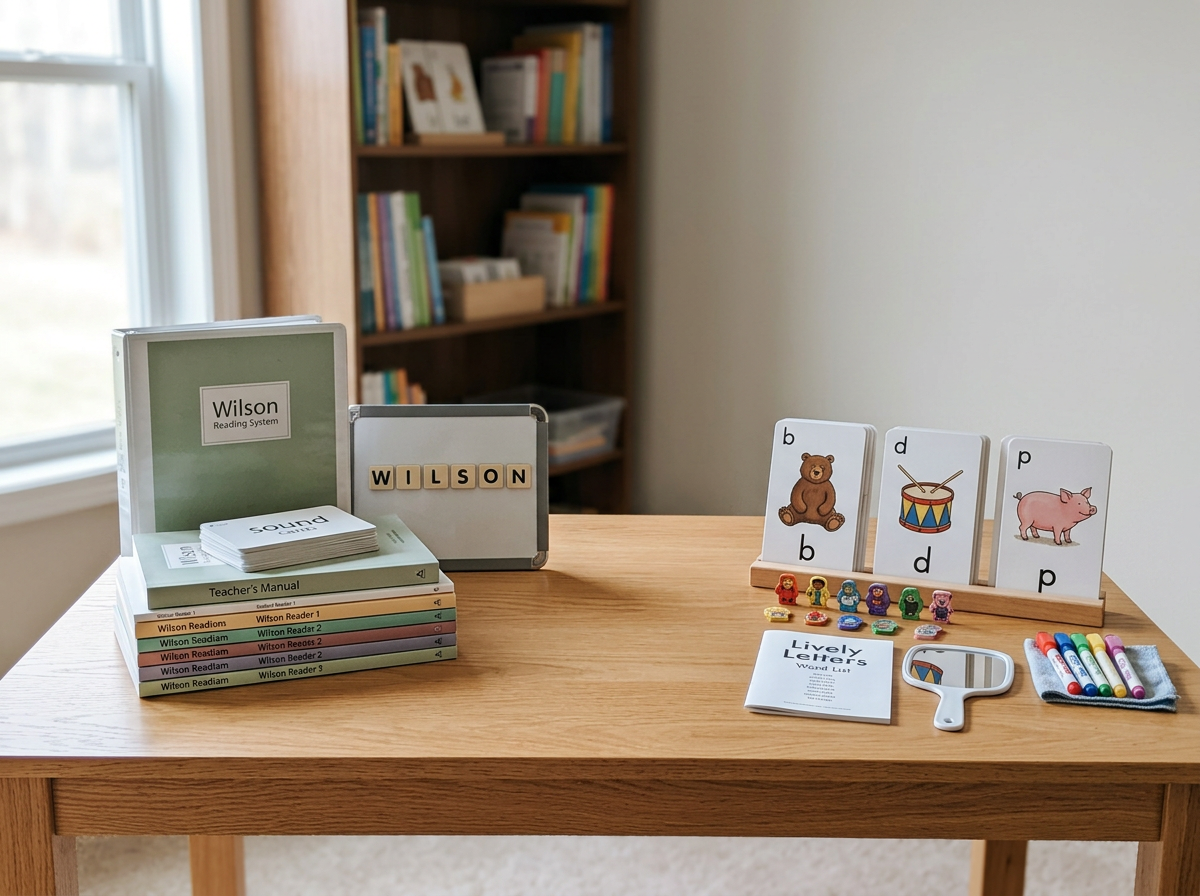
Wilson Reading System
The Wilson Reading System® (WRS) is a structured, explicit literacy program designed to teach the foundational skills needed for accurate word reading and spelling. It is particularly well known for supporting students who have significant difficulty learning to read, including many students with dyslexia.
What is the Wilson Reading System?
WRS is a multisensory, structured literacy approach that explicitly teaches:
Phonemic awareness
Sound-symbol relationships
Phonics
Decoding
Encoding/spelling
Syllable types and syllable division
Morphology
Word structure
Sight-word learning
Reading fluency
Vocabulary and comprehension
The program uses a step-by-step sequence, with students practicing skills repeatedly until they become increasingly automatic.
Who is Wilson best for?
WRS is generally best suited for students who have persistent, significant reading and spelling difficulties despite classroom instruction.
It can be particularly appropriate for:
Children with dyslexia
Difficulty decoding unfamiliar words
Slow or inaccurate reading
Weak phonological skills
Persistent spelling difficulties
Difficulty recognizing words automatically
Students with significant reading gaps
Students who are several years behind grade level
Students who have not responded adequately to general classroom reading instruction
Older students who missed foundational phonics instruction
Older elementary through high school students
One of WRS's strengths is that it can be used with older students and even adults, rather than being limited to early elementary reading instruction.
Lively Letters Program
Lively Letters™ is a multisensory, phonics-based reading program that helps children connect letters, sounds, and the physical movements used to produce those sounds. It was developed by speech-language pathologist Nancy Telian and is particularly appealing for children who benefit from a highly visual, auditory, tactile, and speech-motor approach to early literacy.
What makes Lively Letters different?
Lively Letters turns abstract letters and speech sounds into memorable characters, stories, pictures, and mouth movements. Children don't simply memorize that “M says /m/”—they learn the sound through multiple sensory pathways.
The approach incorporates:
Phonemic awareness
Letter-sound correspondence
Phonics
Sound production and articulation
Auditory discrimination
Multisensory learning
Early decoding
Blending and segmenting
Speech-motor awareness
Early spelling and reading skills
This makes it especially interesting for an SLP-led literacy practice, because speech production and literacy development are closely connected.
Who is Lively Letters best for?
Young children developing foundational literacy skills
It can be particularly useful for children who need extra support learning:
Letter names and sounds
Sound-symbol relationships
Phonemic awareness
Blending sounds into words
Segmenting words into sounds
Early decoding
Children with speech-sound disorders
Because the program connects speech sounds with visual and physical cues, it can be a strong fit for children who have difficulty producing or differentiating sounds.
Children with Childhood Apraxia of Speech
For children with CAS, the combination of speech-motor awareness, sound sequencing, repetition, and multisensory cues can complement their speech therapy and provide additional support for connecting sounds to print.
Children with dyslexia or dyslexia risk
Lively Letters can provide a strong foundation in phonological awareness and sound-symbol correspondence, particularly for younger children who are struggling to establish those connections.
Children who don't respond well to traditional phonics instruction
Some children need more than worksheets and repetition. The visual stories, characters, movement, and memorable associations can make abstract sounds much easier to remember.