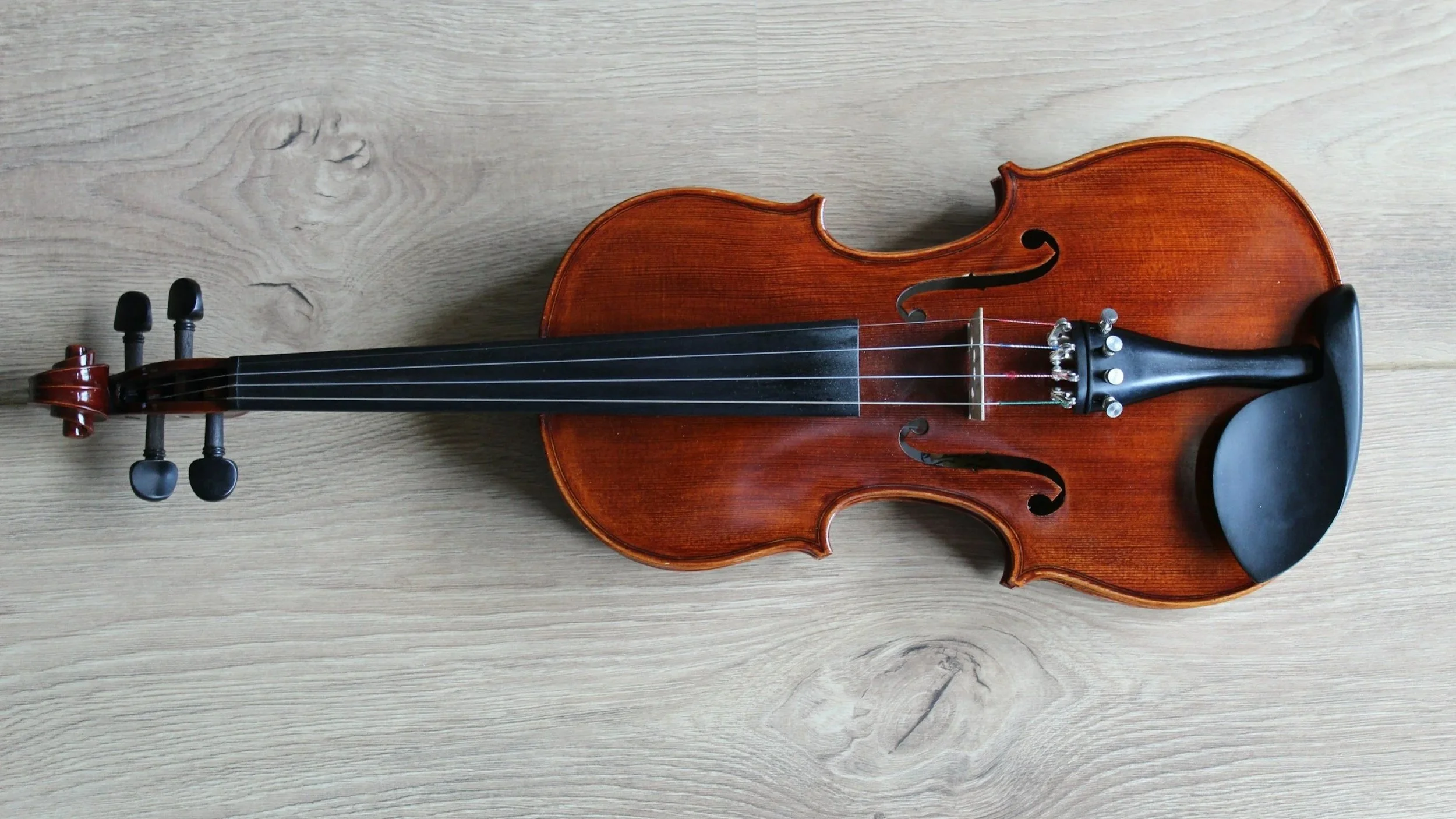
Music Therapy
“Where words fail, music speaks
”
What is Music Therapy?
Music therapy is a therapeutic practice that uses music to address physical, emotional, cognitive, and social needs in individuals. Conducted by trained and certified music therapists, it involves activities such as listening to music, singing, playing instruments, composing, or using rhythm and movement to achieve therapeutic goals. Music therapy can improve mental health, enhance communication, boost physical rehabilitation, and provide emotional support. It is tailored to the specific needs of individuals or groups and is widely used in settings such as hospitals, schools, rehabilitation centers, and community programs to promote healing, well-being, and personal growth.
Benefits for Communication.
Music therapy offers significant benefits for individuals with speech and language disorders by leveraging the brain's natural connection between music and language. Rhythmic patterns in music can help improve speech timing and articulation, while melodies encourage vocalization and expressive communication. Singing exercises strengthen oral muscles, enhance breath control, and promote clearer pronunciation. Additionally, music therapy can stimulate neural pathways associated with language processing, aiding in the development of vocabulary and sentence formation. For individuals with conditions like aphasia or apraxia, music provides a non-verbal medium to express emotions and thoughts, fostering confidence and reducing frustration. Overall, it creates a motivating, engaging environment that supports holistic communication development.
Music therapy has demonstrated significant neurological benefits across various conditions, including:
Adult and Pediatric Neurological Disorders
Alzheimer’s Disease
Autism
Post-Traumatic Stress
Parkinson’s Disease
Voice Disorders